Phone Support Isn’t Dead. It Is Still the King of Support.
For years the industry has tried to declare the phone dead. Everything has been replaced, automated or moved behind a chatbot. Companies roll out new support tools, new channels and new AI layers as if voice is old technology that belongs to another era.
But here is the truth that most leaders already feel in their stomach.
People still want to talk to a human and when it matters, they always will.
This is not nostalgia. It is not resistance to progress. It is simply how humans work.
A voice carries emotion and intention. You can hear urgency, frustration, confusion or relief. You can hear whether someone is trying to be polite while stressed. You can hear when someone is genuinely listening. A message in a chat window can never deliver that. A bot can never understand it.
And this difference is measurable, not just intuitive. Gartner released a study showing that sixty four percent of customers would prefer that companies did not use AI for customer service because they still want a human to handle important or complex issues.
Here you can read the article published by Gartner
The phone becomes the first choice when the issue is serious
People choose the phone when something feels important. It is the channel of urgency. It is the channel of complexity. It is the channel that says, “I need someone who gets this.”
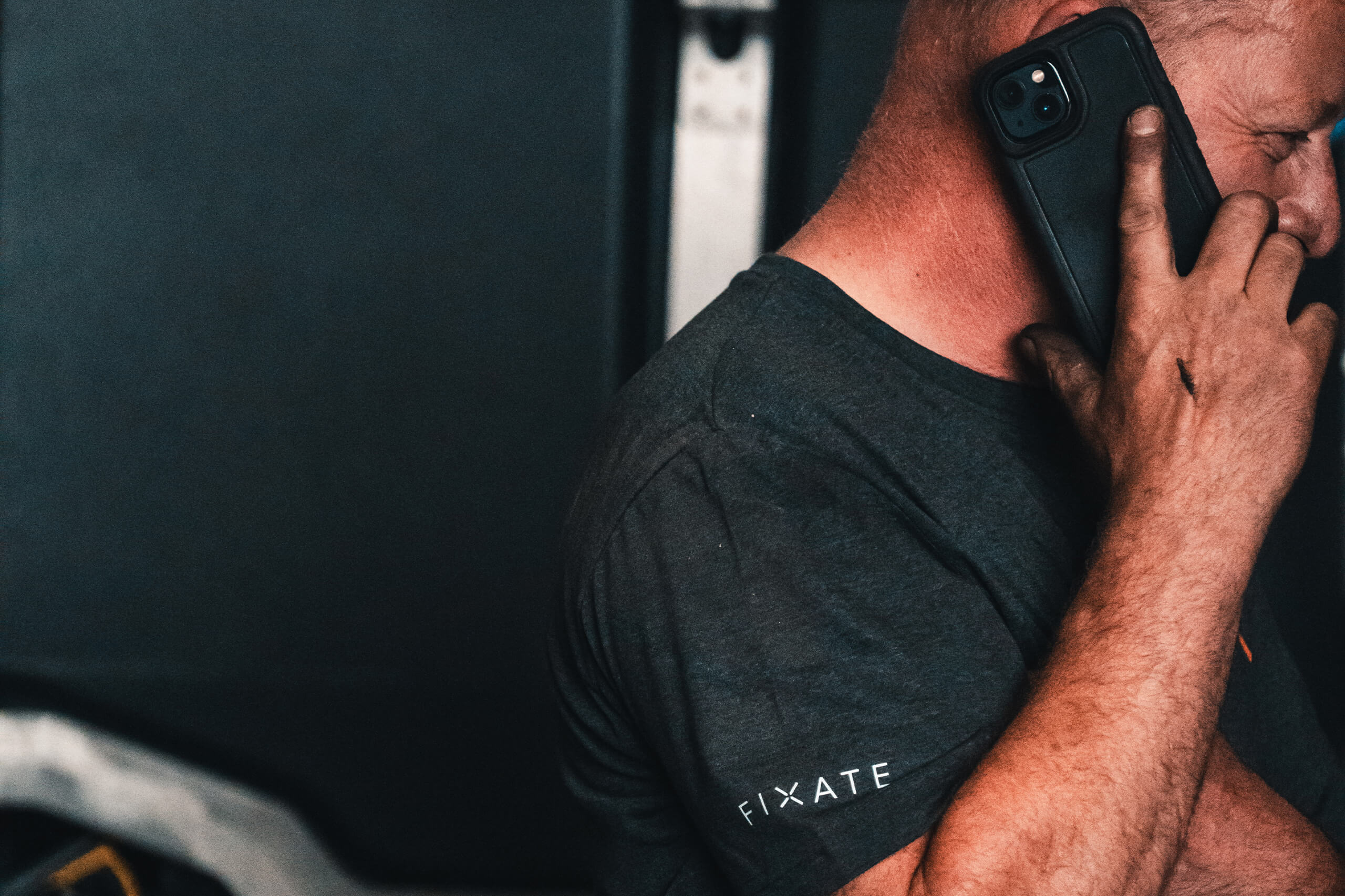
On a phone call, customers can tell their story in a natural way. They can explain the context. They can show their emotions without being misunderstood. They can hear another person breathe and react. They can feel the presence of someone who is trying to solve the problem with them, not just process them, digital channels often remove that
- Chatbots reduce human emotion to a list of keywords.
- Scripts replace listening.
- Automation replaces understanding.
And customers feel the downgrade the moment it happens.
HubSpot’s recent analysis supports this. They found that sixty nine percent of customers still prefer phone support over chat or other digital channels, especially when the situation is urgent or emotionally loaded.
Here you can read HubSpots article
What leaders get wrong about the phone
When companies modernize support, the phone is often the first target. It is labelled expensive. It is labelled slow. It is labelled outdated. Leaders think automation is the upgrade because automation is measurable and efficient.
But here is what gets missed, when the phone disappears, trust disappears with it.
Customers who spent years trusting a brand because it was easy to reach suddenly find themselves stuck in loops. They are pushed through repeating bot messages. They are asked to choose from menus that do not match their reality. They are told to wait for answers that do not come.
You cannot replace human care with automated convenience without losing something essential and your customers notice they might even leave the companies that hide behind bots and move to the ones that or stay with the ones that remain reachable.
A real example of what happens when phone support vanishes
I changed internet providers not long ago. Good reviews, modern technology, competitive pricing. It looked perfect on paper. Then they updated their support model. They removed human phone support and replaced it with a semi automated chat system.
The quality dropped instantly, questions that used to be solved in minutes through a conversation now took days, the personalized experience vanished.
It became clear that the company valued efficiency over care.
So I switched back to my previous provider, not because the product was better, because the support was human.
I am not unique. This happens everywhere.
Customers leave because they feel ignored, not because the tech is bad
Support is not measured by how quickly someone answers, it is measured by how quickly and how calmly a problem is solved. A phone call allows that, a bot rarely does.
When a customer asks for help, they want understanding. They want empathy. They want someone who listens and reacts. They want clarity. They want to feel safe knowing that a real person is taking ownership of their problem.
That feeling is what keeps people loyal.
That is what makes them stay for years.
That is what automation cannot replicate.
The future of support is hybrid, not automated
This is not about rejecting technology, it is about using it the right way.
AI will keep getting smarter, bots will keep getting better, digital tools will keep expanding.
But the phone will still have a place.
Not as the only channel, but as the channel that customers trust when things matter.
Maybe only twenty percent of support will be phone based. That is fine. The point is not how much it is used. The point is that it must be available. When a customer asks to speak to a person, that option must exist. It must not be hidden. It must not be discouraged. It must not be replaced.
That is what modern support looks like, not automated or human but both, working together.
The heart of it all
Listen to your customers when you build support, they are the people you exist to help.
If they want the option to reach another person, give them the option.
If they want the reassurance of a voice, keep the phone alive.
If you introduce AI and automation, do it in a way that supports your team and your customers, not in a way that removes the human touch.
The phone is not dead.
It is simply being neglected.
And the companies that protect it will be the ones customers trust the most.
About the Author
I work in the space between vehicle complexity and real workshop reality. After years on the floor, I have seen how the smallest gaps in documentation can slow repairs, frustrate customers and impact uptime. My focus is simple: clear, reliable information that supports technicians and strengthens the service experience, especially as electric vehicles raise the stakes for everyone involved.
Read more from the author